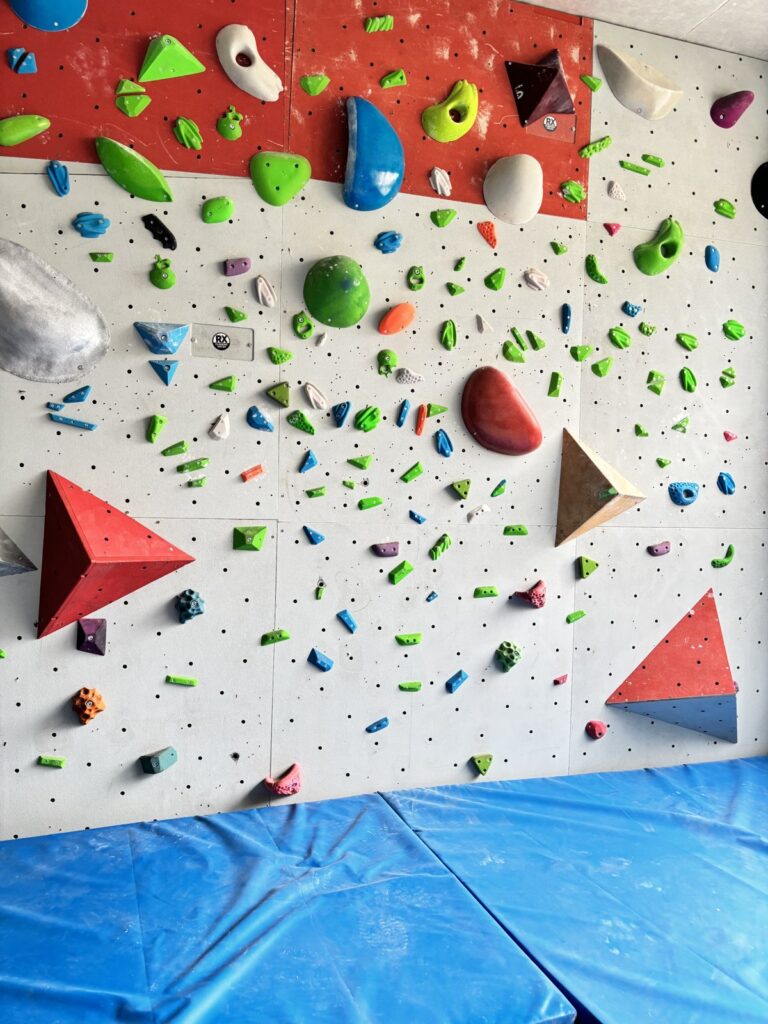
The wall is only as good as the boulders on it. Good Route changes It determines whether climbers return, whether beginners experience success, and whether strong climbers are challenged. In this article, we explain what constitutes professional route setting, when external route setters are worthwhile, and how climbing gyms, clubs, and studios benefit from it.
- Route changes It involves planning, craftsmanship and testing – not just screwing handles onto the wall.
- Good bouldering They have a clear idea of movement and are a good fit for the audience in the hall.
- mixture The variety of difficulties, styles, and wall areas keeps all levels interesting.
- External screwdrivers They bring fresh ideas and relieve the burden on their own team.
- Education: The DAV offers courses ranging from recreational climbing to competitive route setting.
What makes good route setting
Every boulder has a core movement – the rest supports it.
The rating is correct, and the boulder is doable for the target audience.
No dangerous falls, no pinching points, handles are firm and twist-proof.
Different styles, grip types and wall areas instead of the same moves over and over again.
This is how a typical day of wrenching goes
- Unscrew & Wash: Old boulder problems are removed, holds are cleaned and inspected.
- Planning: What difficulties and styles are missing in the sector? What holds and volumes are available?
- Screws: Handles and volumes are attached and screwed firmly in place.
- Testing & Adjusting: Each boulder is climbed, adjusted, and rated.
- Release: Checks for safety, marking, and evaluation – then the sector is open.

I never finish setting a boulder problem without climbing it myself, ideally with someone else – preferably someone shorter or taller than me. Only then can you tell if a move works for most people or only for a specific height.
The right mix
A good climbing gym offers enough bouldering problems for every level. Plenty of easy and medium problems are especially important – these are where most visitors climb. Our article provides a good introduction to the basics. Route setting for beginners. How volume creates new movements is explained in [link/reference]. Climbing volume and macros.
When external route planners are worthwhile
| situation | Why external is beneficial |
|---|---|
| Small or no team of your own | Clubs and studios often don't have anyone who regularly does the wrenching. |
| Fresh ideas | A new style and movements that the team itself doesn't implement. |
| Events & Competitions | additional capacity and experience for special occasions |
| New wall or renovation | The first boulders set the tone for the wall. |
We regularly set boulder problems and rope routes in climbing gyms in Upper Bavaria – and upon request, we can bring along new holds and fiberglass volumes from our own production. This way, you get fresh boulder problems and new gear all from one source.
Training in route building
Those who want to do the repairs themselves will find what they need at German Alpine Club A training system for route setters – from recreational climbing to competitive and eventual route setting. According to the German Alpine Club (DAV), a new course for performance-oriented route setting will replace the current "Training C (State Route Setter)" starting in 2026.
Fresh bouldering problems for your gym?
Whether it's a regular route-setting day, an event, or a new wall: We set boulder and rope routes – on request with new holds and volumes directly from the manufacturer.
Frequently asked questions about route setting
What does a route setter do?
A route setter plans and sets boulder and rope routes: He selects holds and volumes, determines movements and difficulties, checks safety and tests the routes before they are opened.
Is there a training program for route planners?
Yes. The German Alpine Club offers training courses for route setters, from recreational climbing to performance and competition route setting.
How often should you bring in external route setters?
That depends on the size and team of the workshop. Many workshops combine their own team with external mechanics for fresh ideas, special events, or when there are staffing shortages.
Does RX Climbing Holds offer route setting as a service?
Yes. We set bouldering and rope routes for climbing gyms, clubs, studios and private walls – with holds from our own production upon request. Enquire now
About the author: Raul Ortiz has been climbing since 2006, develops and casts climbing holds and fibreglass volumes with RX Climbing Holds in Miesbach, and regularly sets boulder and rope routes in climbing gyms in Upper Bavaria. More about us
 English
 German