What types of climbing holds are there – and how do they differ?
Climbing holds are the heart of every climbing wall – whether in a professional bouldering gym or on a child's bedroom wall. But what types of climbing holds are there? In this article, we explain the most important types of holds, their differences, uses, and what you should consider when choosing them.
🧱 1. Jugs – The Beginner-Friendly Ones
Jugs (jugs) are large, positively shaped holds that offer plenty of hold. Perfect for beginners, children, and for warming up on training walls.
Ideal for: Home walls, children's routes, warm-up boulders
👉 View our Jugs sets
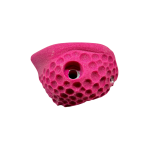
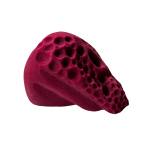
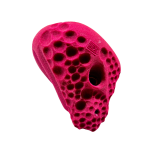
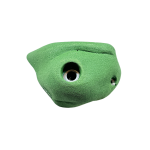
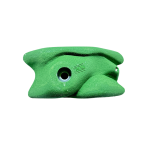
💀 2. Crimps – For finger strength and technique
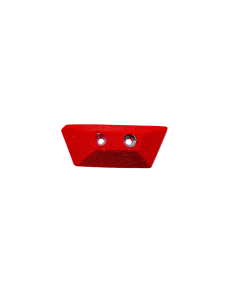
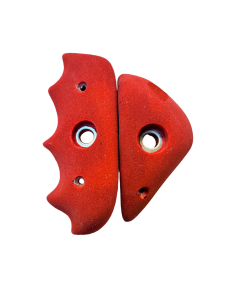
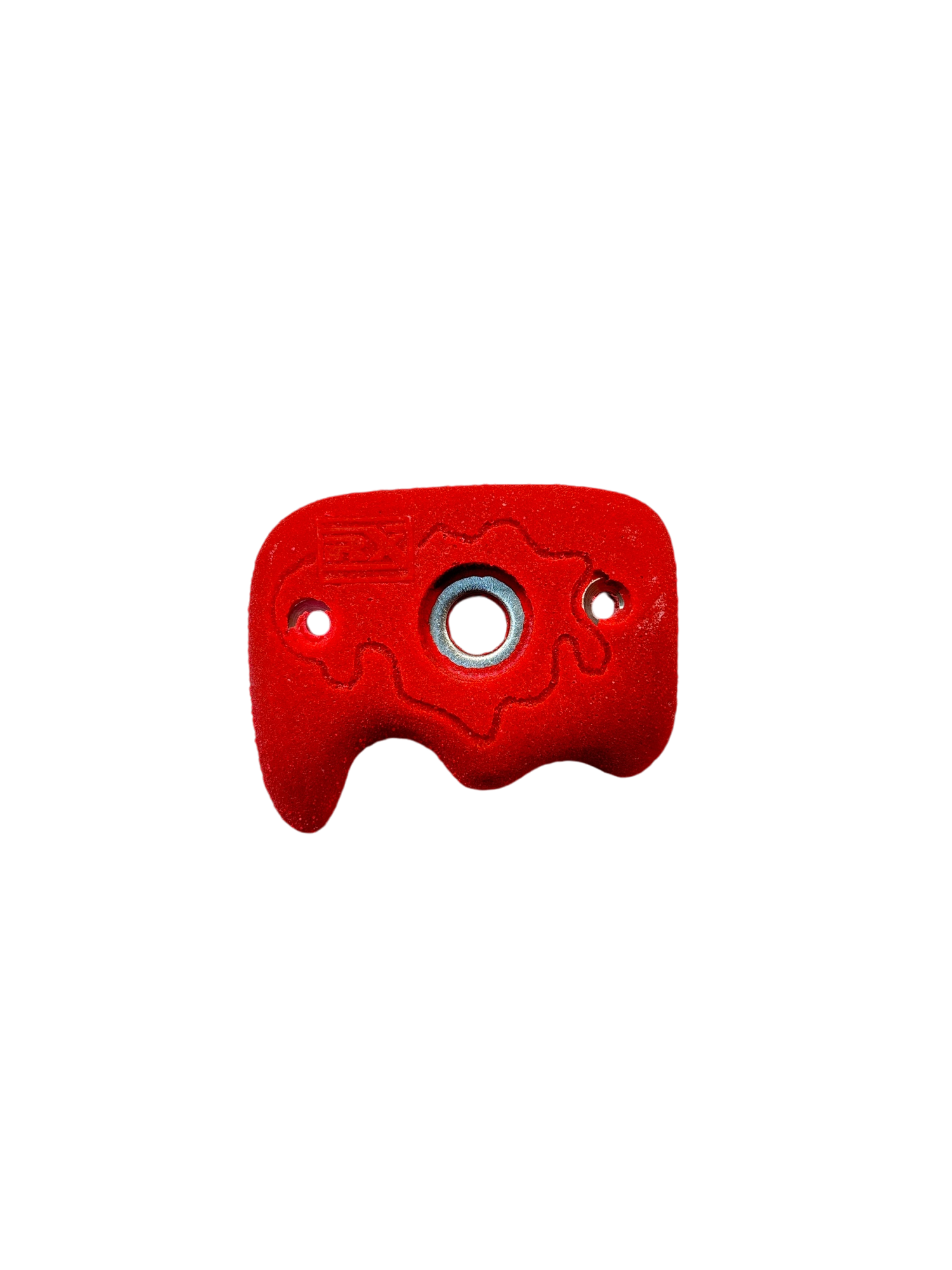
Crimps are small edges or crimps that require strong finger strength. They are often used in difficult boulder problems or climbing routes.
Ideal for: Advanced finger strength training
👉 Discover rules and training holds
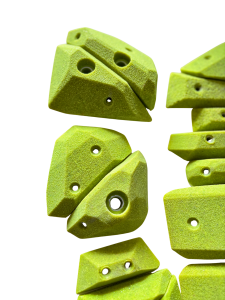
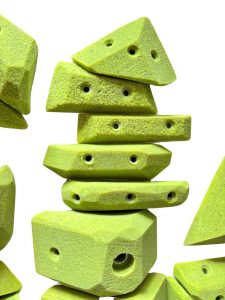
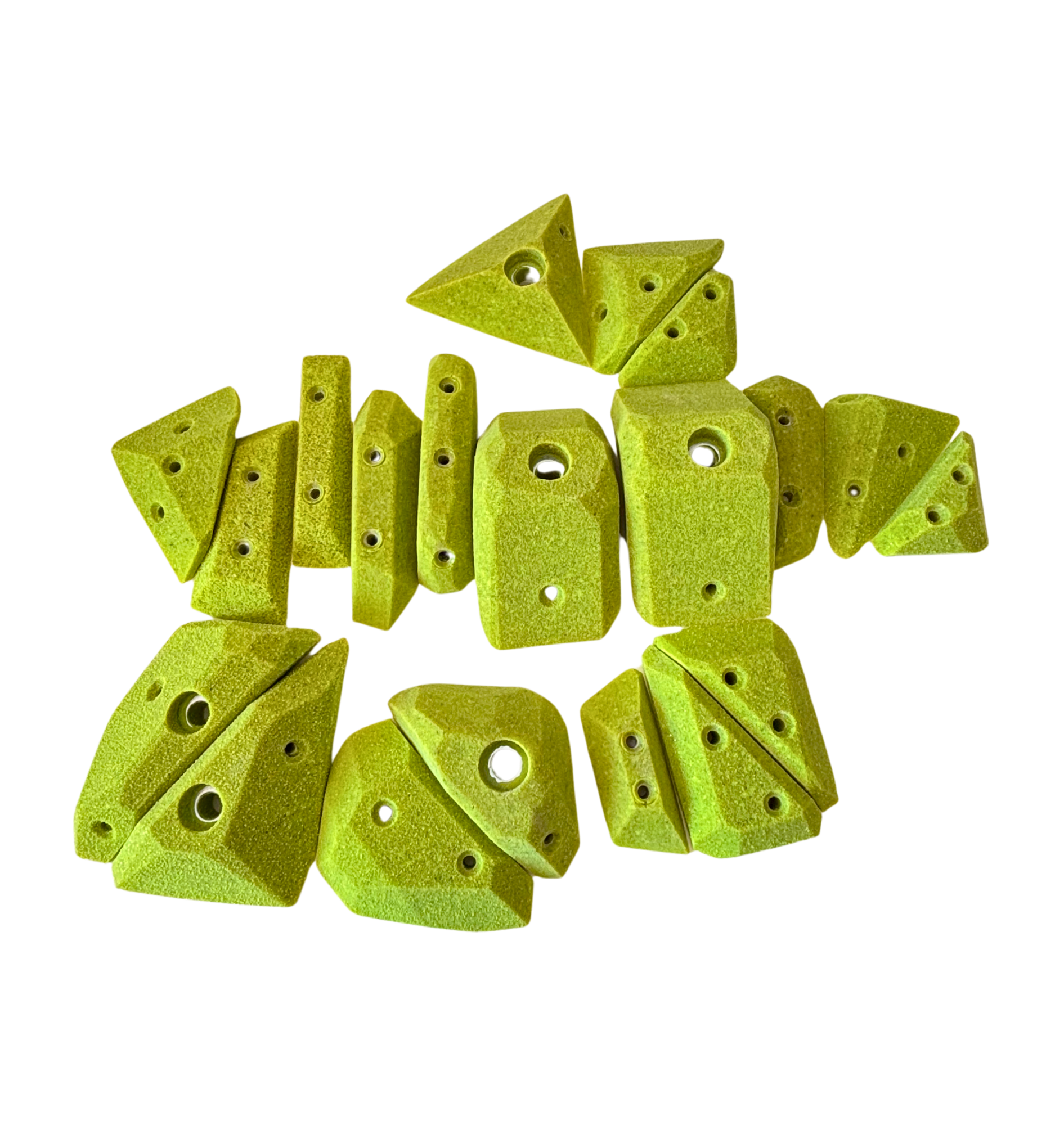
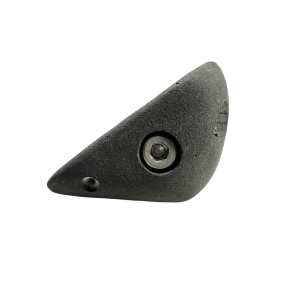
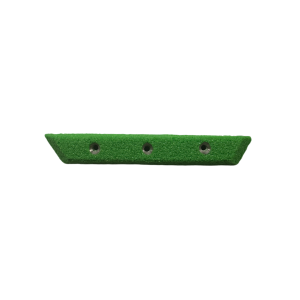
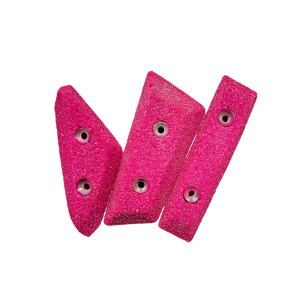

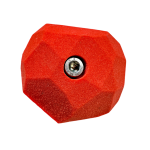
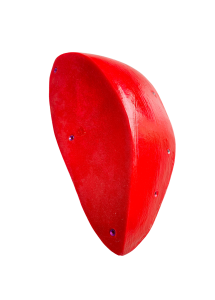
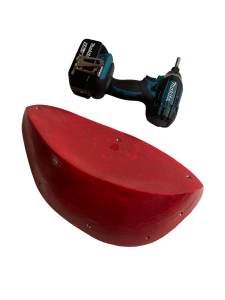
🌊 3. Sloper – The Slippery Hemispheres
Slopers have rounded, open surfaces without a clear edge. Good body tension and technique are needed to hold them.
Ideal for: Technical training, route setting with flow
👉 Sloper in the RX product range
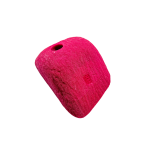
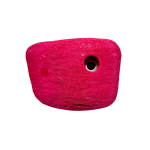

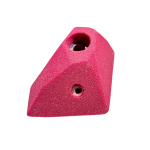
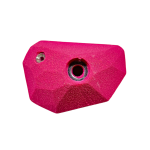
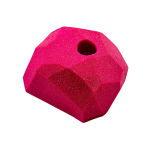
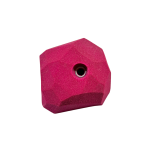
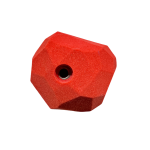
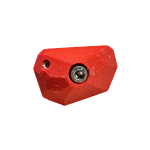
✋ 4. Pinches – The pinching holds
Pinches require squeezing with the thumb and fingers. They train grip strength and body tension equally.
Ideal for: Strength training, modern routes
👉 Buy pinch-heavy sets
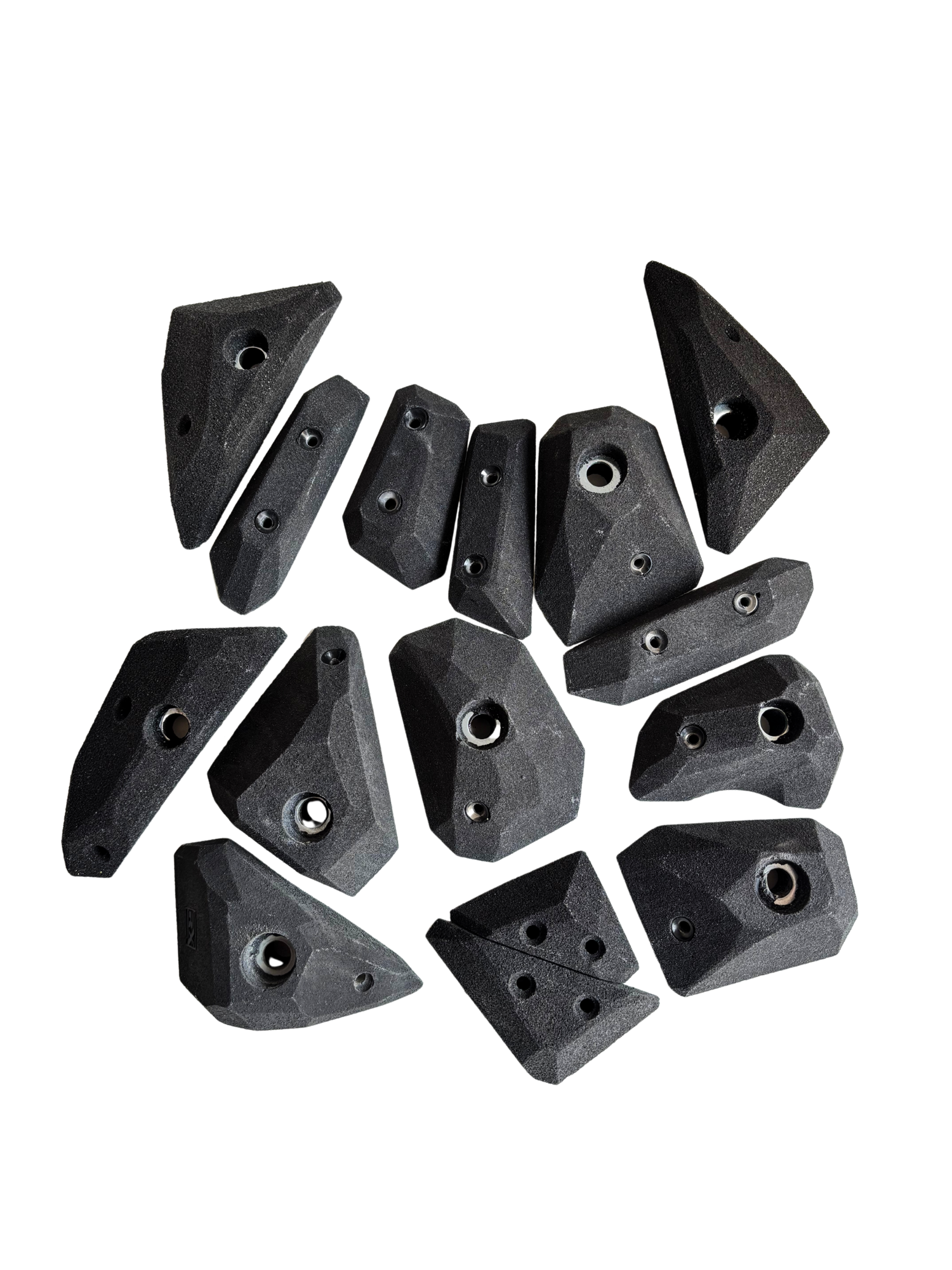
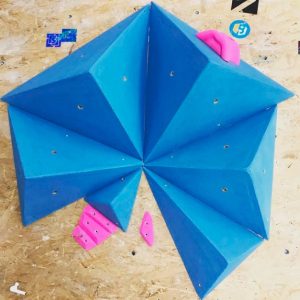
🔁 5. Screw-ons, Volume & Kicks
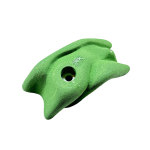
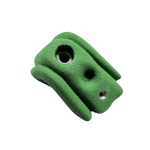
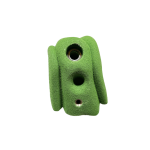
Screw-ons: Flat holds, often screwed on as footholds or additional holds.
Volume: Large structures for a 3D climbing experience.
Kicks: Specialized small holds for the feet.

 English
 German