Climbing and bouldering are rightly considered among the most effective full-body workouts: hardly any other sport engages the forearms, back, core, and legs so simultaneously and functionally. Those who train regularly on the wall also build strength, coordination, and flexibility. Here's an overview of which muscle groups are actually used in climbing.
Forearms and grip strength: The core of every climbing movement
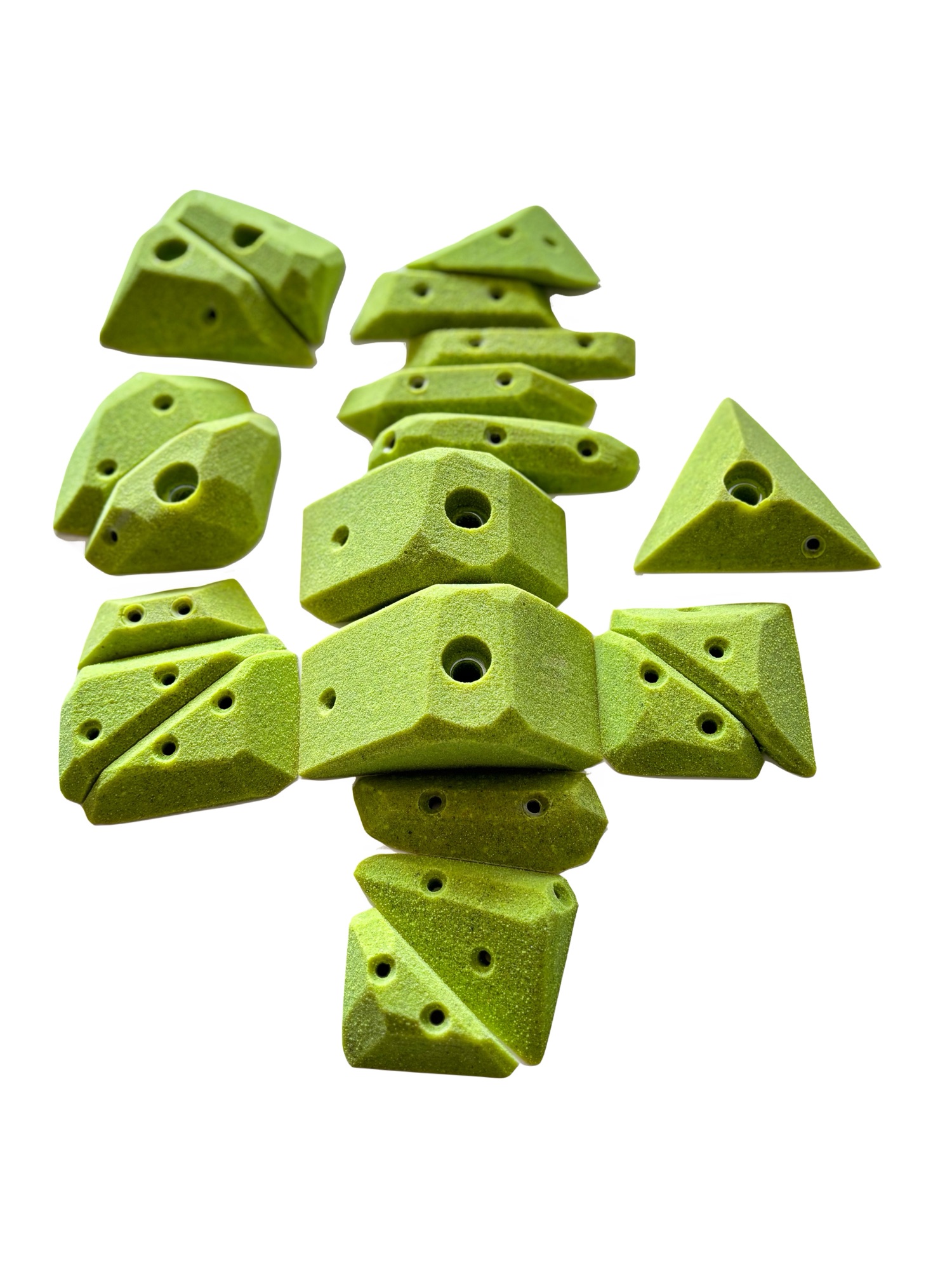
No other sport trains forearm and grip strength as intensively as climbing. Every grip contact – whether jug, crimp, or sloper – challenges the finger flexors and forearm muscles, resulting in particularly rapid improvements in endurance and maximum strength in this area. It is precisely this grip strength that many beginners find most challenging at first.
Back and shoulders: The drive muscles
The latissimus dorsi and shoulder muscles are responsible for pulling the body upwards during climbing. Pulls on overhanging sections, in particular, intensely engage these muscle groups, resulting in a noticeable increase in strength throughout the upper body – often far more functionally than traditional weight training.
Core and body tension: More than just abdominal muscles
Maintaining stable core tension is crucial in climbing to control the legs and prevent them from tipping off the wall. The abdominal, lateral trunk, and deep core muscles are constantly engaged, even if they are barely visible from the outside. This core stability is one of the reasons why climbers often exhibit remarkably good body control.
Legs and hips: Often underestimated
Many beginners initially pull themselves up primarily with their arms – but the real power in climbing lies in the legs. Good leg technique significantly relieves the arms and saves valuable energy for difficult moves. The hips and thighs are continuously trained through precise foot placement and weight distribution.
Climbing as a full-body workout: What makes it so effective?
The major advantage over isolated strength training lies in the functional interplay of muscle groups: In climbing, grip strength, upper body, core, and legs always work together, something rarely seen in everyday life or sports. Added to this are improved coordination and flexibility as a side effect of every training session – and last but not least, the mental focus required to solve each new route.
 English
 German